
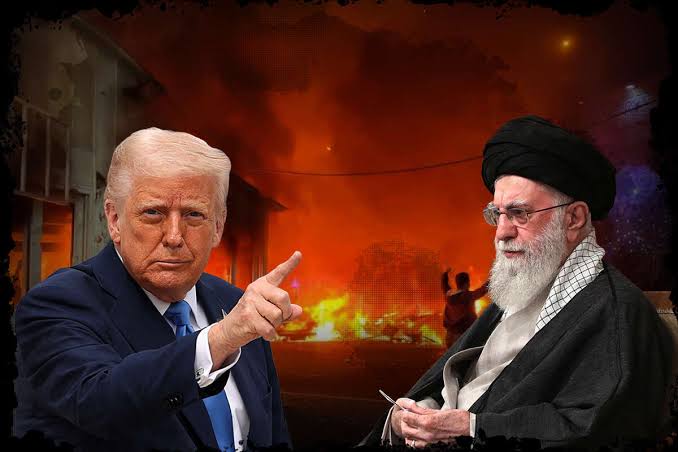
Iran US War 2026 : The world is closely watching the rapidly escalating conflict between Iran and the United States in 2026. What began as military strikes has now turned into a large regional confrontation involving several countries in the Middle East. The situation has already caused casualties, economic disruptions, and fears of a wider global conflict. This article explains the causes, latest updates, and global consequences of the Iran US War 2026 and why it matters to the entire world.
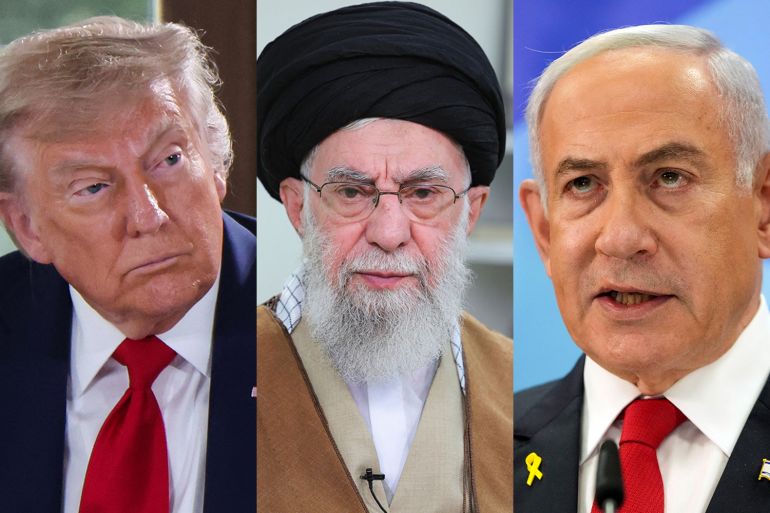
Background of the Iran US War 2026 Conflict
Tensions between Iran and the United States have existed for decades. The conflict largely revolves around several key issues:
- Iran’s nuclear program
- Regional influence in the Middle East
- Military alliances and proxy groups
- Economic sanctions imposed by the United States
Diplomatic efforts over the years attempted to limit Iran’s nuclear ambitions. However, disagreements over inspections, missile development, and sanctions eventually caused negotiations to collapse.
The situation worsened in early 2026 when intelligence reports suggested Iran was expanding its nuclear program and missile capabilities.
The Start of the Iran US War 2026
The conflict dramatically escalated on February 28, 2026, when the United States and Israel launched coordinated air strikes against Iranian targets.
These attacks targeted:
- Nuclear facilities
- Military bases
- Missile launch sites
- Leadership compounds
The operation aimed to weaken Iran’s military infrastructure and prevent the development of nuclear weapons. Following these strikes, Iran retaliated by launching missiles and drones toward U.S. bases and allied countries across the Middle East.
Massive Military Operations at Iran US War 2026
In the first few days of the war, the United States conducted a large-scale military campaign involving thousands of strikes.
Reports indicate that:
- Nearly 2,000 Iranian military targets were hit in the first 100 hours of operations.
- The U.S. deployed over 50,000 troops, aircraft carriers, and advanced bombers in the region.
- Air defenses, missile launchers, drones, and naval vessels were heavily damaged.
The scale of the operation has been described as the largest U.S. military deployment in the Middle East in decades.
Iran’s Retaliation
Iran responded with missile and drone attacks targeting American bases and allied nations.
Countries affected include:
- Kuwait
- Bahrain
- Qatar
- Oman
- Israel
Several missiles were intercepted by regional defense systems, but some attacks caused casualties and infrastructure damage.
Iran has warned that it will continue retaliating until the attacks stop.
Major Political Shock in Iran
One of the biggest developments during the conflict has been the reported death of Iran’s Supreme Leader, Ayatollah Ali Khamenei, during the initial strikes.
His death has created political uncertainty within Iran and intensified tensions across the region.
Iranian leaders have promised strong retaliation and called the attack an act of aggression.
Rising Casualties and Regional Instability
The war has already resulted in significant casualties.
Reports indicate:
- Hundreds of people have died in Iran
- Several U.S. soldiers were killed in retaliatory attacks
- Thousands have been injured across the region
Cities such as Tehran, Tel Aviv, and Beirut have witnessed explosions and air strikes during the conflict.
Many civilians have been displaced due to ongoing military operations.
Economic Impact on the World
The Iran US War 2026 is not only a regional crisis but also a global economic concern.
One of the biggest risks involves the Strait of Hormuz, a critical shipping route through which around 20% of the world’s oil supply passes.
Because of the conflict:
- Oil prices have increased significantly
- Global stock markets have become volatile
- Airline routes across the Middle East have been disrupted
Some airlines have already suspended flights due to security concerns.
Could the Conflict Expand?
Experts fear that the war could escalate further if more countries become involved.
Possible scenarios include:
- Expansion of the conflict into neighboring countries
- Cyber warfare between nations
- Attacks on global shipping routes
- Disruption of global energy supplies
International organizations such as the United Nations have urged both sides to pursue diplomacy and avoid a wider war.
What Happens Next?
The future of the conflict remains uncertain.
Possible outcomes include:
- Diplomatic negotiations to end hostilities
- Continued military escalation across the region
- Regime changes or leadership shifts in Iran
- Long-term instability in the Middle East
World leaders are closely monitoring the situation because any escalation could have global consequences.
Conclusion
The Iran–US conflict in 2026 represents one of the most serious geopolitical crises in recent years. With military strikes, missile attacks, and economic disruptions already underway, the situation remains highly volatile.
Whether the conflict leads to diplomacy or further escalation will determine the future of stability in the Middle East and beyond.
For now, the world watches closely as events continue to unfold.