
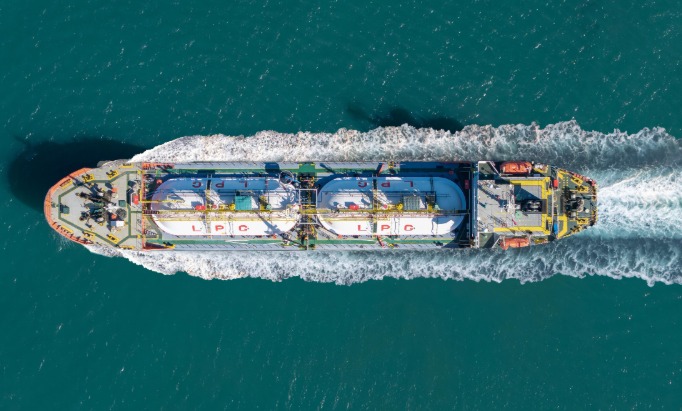
Introduction: 22 Indian Vessels Cross Strait of Hormuz—A Critical Moment for Global Shipping
In March 2026, global attention turned once again to the Strait of Hormuz, one of the most strategically important maritime chokepoints in the world. Amid rising tensions in the Middle East and conflict involving Iran, the United States, and Israel, the safe movement of ships through this narrow waterway became uncertain.
India recently secured safe passage for several vessels traveling through the strait, including LPG carriers and crude tankers carrying vital energy supplies. Reports indicate that 22 vessels connected to India are expected to reach ports such as Kandla within about 72 hours, highlighting the importance of diplomatic engagement and maritime coordination during times of geopolitical tension.
This development is significant not just for India but also for the global energy market.
Understanding the Importance of the Strait of Hormuz
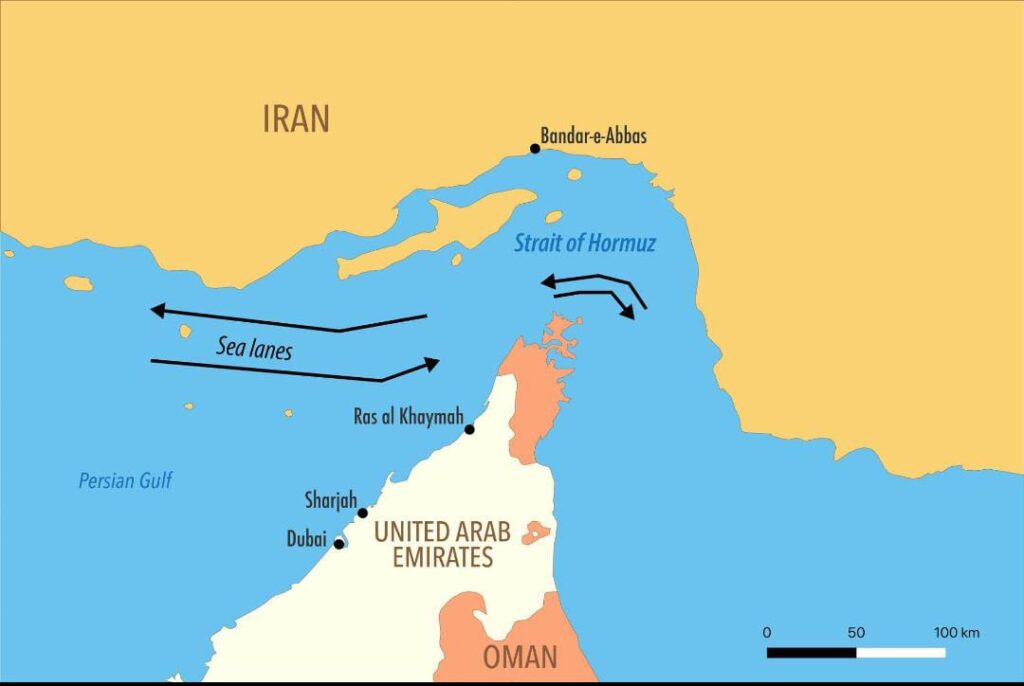
The Strait of Hormuz lies between Iran and Oman and connects the Persian Gulf with the Arabian Sea. It is one of the most important shipping lanes on the planet.
Every day, enormous quantities of oil and gas pass through this narrow passage.
Key facts:
- Nearly 20% of the world’s oil supply passes through the Strait of Hormuz.
- Major energy importers such as India, China, Japan, and South Korea rely heavily on this route.
- Any disruption here can quickly affect global fuel prices and energy security.
Because of this importance, the strait often becomes a focal point during geopolitical tensions.
22 Indian Vessels Cross Strait of Hormuz in the Current Crisis
The current crisis began when tensions escalated between Iran and Western powers. Military actions and retaliatory measures raised fears that the Strait of Hormuz might be blocked or restricted.
Iran has occasionally warned that it could limit shipping as a response to attacks on its territory. At the same time, Western nations called for international efforts to keep the waterway open.
Shipping traffic in the region dropped sharply as many vessels avoided the area due to security concerns. Reports indicate that transit through the strait fell dramatically in early March as tensions increased.
This situation immediately created worries about global oil supplies.
India’s Energy Dependence: 22 Indian Vessels Cross Strait of Hormuz
India is one of the world’s largest energy importers.
A significant portion of its energy supplies comes from the Middle East.
Key points about India’s energy imports:
- A large share of India’s crude oil imports travel through the Strait of Hormuz.
- India also imports huge quantities of liquefied petroleum gas (LPG) used for cooking and industrial purposes.
- Disruption of shipping routes can cause fuel shortages and rising prices.
In fact, 22 Indian Vessels Cross Strait of Hormuz. The recent tensions already caused a decline in LPG supply in India because shipments were delayed. Ensuring safe passage for energy shipments therefore became a national priority.
Two Indian LPG Tankers Successfully Cross the Strait
One of the most important developments during this crisis was the successful transit of two Indian-flagged LPG tankers through the Strait of Hormuz.
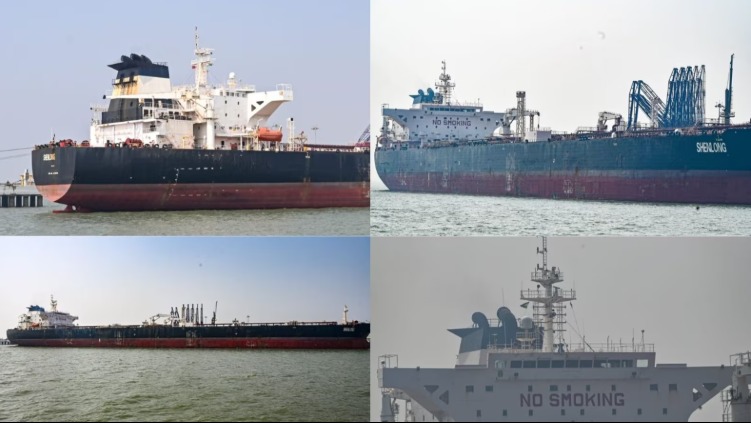
These vessels carried approximately 92,700 metric tons of LPG destined for western India.
According to officials,22 Indian Vessels Cross Strait of Hormuz the ships crossed the strait safely and began their journey toward Indian ports such as Mundra and Kandla. Their successful passage demonstrated that diplomatic communication and coordination were still possible despite the tense situation in the region.
Why Iran Allowed Indian Ships to Pass
Many people around the world have asked an important question:
Why did Iran allow 22 Indian Vessels Cross Strait of Hormuz to pass when tensions were so high?
Several factors appear to explain this decision.
1. Strong Diplomatic Relations
India and Iran have maintained long-standing diplomatic and economic ties.
Both countries cooperate in:
- Energy trade
- Infrastructure development
- Regional connectivity projects
India has also invested in Iran’s Chabahar port, a key trade hub linking Central Asia and South Asia.
Because of these ties, both countries have incentives to maintain communication even during geopolitical tensions.
2. Direct Diplomatic Dialogue
India’s External Affairs Minister emphasized that direct dialogue with Iran helped ensure safe passage for 22 Indian Vessels Cross Strait of Hormuz.
Indian officials described diplomatic talks as the most effective way to restore shipping access through the strait.
These discussions appear to have reassured Iranian authorities about the nature of Indian shipping activities.
3. Iran’s Strategic Messaging
Iran has also made it clear that it does not intend to completely close the Strait of Hormuz.
Iranian officials have said the waterway remains open to many countries, though tensions with certain nations have affected shipping conditions.
Allowing some ships to pass can help Iran demonstrate that it is not trying to disrupt global trade entirely.
4. Mutual Economic Interests
Energy trade between India and the Gulf region benefits multiple countries.
Blocking shipments to major buyers like India could harm regional energy markets.
Therefore, allowing selected vessels to transit the strait helps stabilize trade flows and reduce global economic disruptions.
22 Vessels Expected to Reach Indian Ports
Reports suggest that around 22 vessels connected to India are scheduled to arrive at the Deendayal Port in Kandla within approximately 72 hours.
These ships include a mix of:
- LPG carriers
- crude oil tankers
- LNG vessels
Port authorities in Gujarat have been preparing to handle this surge in maritime traffic.
This development is seen as a positive sign that shipping operations may gradually stabilize despite ongoing tensions.
The Role of the Indian Navy
India has also strengthened maritime security in the region.
The Indian Navy has conducted patrols and escort missions to ensure the safety of Indian vessels in sensitive waters.
Such operations are part of broader initiatives to protect shipping routes and safeguard the country’s trade interests.
India’s maritime security efforts have played an important role in maintaining confidence among shipping companies and energy suppliers.
Global Impact of the Strait of Hormuz Crisis
The events in the Strait of Hormuz have global consequences.
When shipping is disrupted in this region, the effects are felt worldwide.
Possible impacts include:
Rising Oil Prices
Even temporary disruptions can cause energy prices to spike in global markets.
Supply Chain Uncertainty
Energy shortages can affect industries ranging from transportation to manufacturing.
Increased Shipping Costs
Insurance costs for vessels traveling through the strait often rise dramatically during periods of conflict.
These factors highlight why governments and international organizations closely monitor developments in this critical waterway.
What Happens Next?
The situation in the Strait of Hormuz remains fluid.
Diplomatic negotiations, military tensions, and global energy demand will all influence future developments.
Several scenarios are possible:
- Stabilization through diplomacy
- Continued tension with limited shipping access
- International naval involvement to secure trade routes
For India and other major energy importers, maintaining open shipping lanes will remain a top priority.
A Lesson in Diplomacy and Global Cooperation
The safe passage of 22 Indian Vessels Cross Strait of Hormuz demonstrates how diplomacy can play a crucial role during times of crisis.
Instead of escalating tensions, countries often rely on communication and negotiation to protect vital economic interests. India’s approach shows that constructive engagement can help ensure stability in a complex geopolitical environment.
Conclusion
The Strait of Hormuz crisis highlights how interconnected the world has become. A conflict in one region can quickly affect energy markets, global trade, and everyday life across continents.
India’s success in securing passage for its vessels illustrates the importance of strategic diplomacy and maritime preparedness.
As 22 vessels prepare to arrive at Indian ports in the coming days, the episode serves as a reminder that even during turbulent times, cooperation and dialogue remain essential tools for maintaining global stability.