
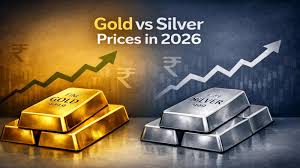
Gold and silver are no longer moving quietly. They are breaking records, and investors everywhere are paying close attention. If you’re searching for why gold and silver prices are hitting record highs, the reason is simple but powerful: growing fear about the global economy and political uncertainty that refuses to settle down.
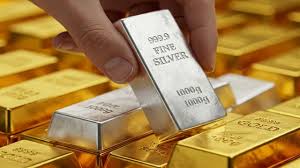
Markets Are Nervous and Precious Metals Are Benefiting
Financial markets thrive on stability. But right now, stability feels rare.
From rising geopolitical tensions to unclear economic policies, uncertainty has become the new normal. When confidence drops, investors instinctively shift money away from risky assets like stocks and toward safer options. Gold and silver are often the first choices, and that surge in demand is driving prices higher.
Trade War Fears Are Back in the Spotlight
Recent tariff warnings from Donald Trump have reignited fears of global trade disruptions. Even without immediate action, the possibility of new tariffs is enough to shake markets.
Tariffs can slow global trade, increase prices, and add pressure to already fragile economies. Investors don’t wait for damage; they react to signals. This reaction is one of the strongest reasons why gold and silver prices are hitting record highs right now.
Inflation Anxiety Is Pushing Investors Toward Hard Assets
Inflation may cool on paper, but the fear of it returning never fully disappears.
why gold and silver prices are hitting record highs, When people worry that money may lose value, they look for assets that can preserve purchasing power. Gold and silver don’t depend on promises, policies, or performance reports, and that makes them extremely attractive during inflation-driven uncertainty.
Central Banks Are Quietly Fueling the Rally
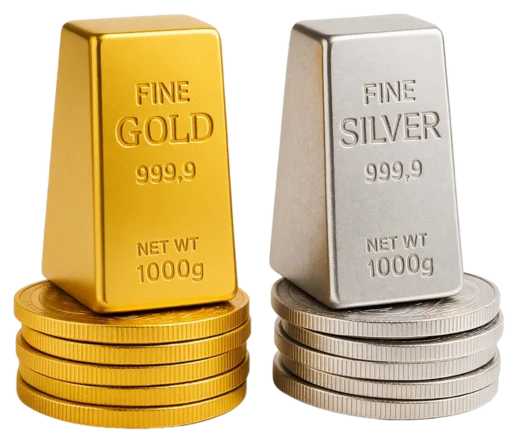
While retail investors watch prices rise, central banks are making strategic moves behind the scenes.
Many countries are increasing gold reserves to protect themselves from currency risks and geopolitical shocks. This steady, large-scale buying reduces supply in the market and adds long-term strength to prices—another key reason gold and silver continue to climb.
A Weakening Currency Makes Metals Shine Brighter
When currencies lose strength, commodities usually gain. Gold and silver are globally priced assets, so currency weakness often translates into higher metal prices. For investors, this creates a double advantage: protection from currency decline and potential price appreciation at the same time why gold and silver prices are hitting record highs.
Why Silver Is Rising Alongside Gold
Gold usually grabs headlines, but silver often follows, sometimes even faster.
Silver benefits from both investment demand and industrial use. As green energy, electronics, and electric vehicles expand, silver demand increases. This dual role is helping silver ride the same wave, pushing gold to record levels.
What Investors Should Understand Before Jumping In
Record highs can create excitement and fear of missing out. But smart investors pause and evaluate.
Rising gold and silver prices are a signal, not a guarantee. They reflect market concern, not easy profits. Understanding why gold and silver prices are hitting record highs helps investors decide whether to hedge risk, diversify portfolios, or simply stay informed.
The Big Picture: Uncertainty Is the Real Driver
At its core, the precious metals rally isn’t about hype; it’s about hesitation. why gold and silver prices are hitting record highs.
Economic slowdowns, political unpredictability, inflation worries, and trade tensions are all feeding one central emotion: uncertainty. Until confidence returns to global markets, gold and silver are likely to remain strong.
Final Takeaway
Gold and silver aren’t just reacting; they’re responding exactly as they always have during uncertain times.
If you’re wondering why gold and silver prices are hitting record highs, the answer lies in fear, caution, and preparation. As long as markets remain uneasy, precious metals will continue to attract attention and investment.
But the real question remains: how long will this rally last, will tariff tensions turn into real economic disruptions, and should investors adjust their portfolios now—or wait for clearer signals from global markets?