
Introduction: A Iran-US War 2026 That Is Reshaping Global Politics: The Iran-US War of 2026 has quickly become one of the most dramatic geopolitical crises of the decade. What began as a sudden military operation has now escalated into a conflict affecting global oil markets, international diplomacy, and millions of civilians across the Middle East.
On February 28, 2026, the United States and Israel launched coordinated airstrikes on Iranian military, nuclear, and leadership targets, beginning a large-scale conflict in the region & Iran-US War 2026 started.
Iran responded almost immediately with missile and drone attacks against U.S. bases and allied targets across the Middle East, signaling that the conflict could quickly expand beyond a single battlefield.
But beyond the headlines, several shocking facts about this war remain largely overlooked. These realities reveal how complex and dangerous the situation truly is.
1. The War Began With One of the Largest Airstrike Campaigns Ever
Most people know the Iran-US War 2026 started with airstrikes but few realize how massive the operation actually was.
The opening attacks involved hundreds of aircraft and thousands of bombs targeting Iranian military infrastructure.
Within days, the number of strikes climbed dramatically as the United States and Israel targeted:
- missile launch sites
- military bases
- naval assets
- command centers
Some reports indicate more than 3,000 strikes occurred within the first week of the conflict.
This scale makes it one of the largest military bombing campaigns in modern Middle Eastern history.
2. The Death of Iran’s Supreme Leader Changed Everything
One of the most shocking moments of the war was the reported killing of Iran’s Supreme Leader, Ayatollah Ali Khamenei, during the early strikes in Iran-US War 2026.
The attack targeted high-level leadership facilities in Tehran and killed several senior Iranian officials as well.
The death of a sitting Supreme Leader during a foreign military attack is extremely rare in modern politics.
Iran-US War of 2026 impact includes:
- political uncertainty inside Iran
- potential leadership struggles
- stronger calls for retaliation
This single event dramatically escalated tensions and made diplomatic solutions far more difficult.
3. Iran-US War 2026 Retaliation Was Faster Than Expected
Military experts initially believed Iran would take days or weeks to respond.
Instead, the response came within hours.
Iran launched large numbers of missiles and drones toward Israeli and U.S. military targets across the region.
Some attacks also targeted military installations in Gulf countries hosting U.S. forces.
This rapid retaliation demonstrated that Iran had prepared contingency plans long before the war began.
4. Civilian Casualties Are Higher Than Many Reports Suggest in Iran-US War 2026
While much of the news focuses on military actions, civilians are suffering heavily.
In one tragic incident, an explosion at a school in Iran killed more than 160 people, many of them children, according to investigations into a strike near military facilities.
In Iran-US War 2026, human rights organizations have warned that urban warfare increases the risk of civilian casualties, especially when military targets are located near populated areas.
The humanitarian consequences of the war may become one of its most lasting legacies.
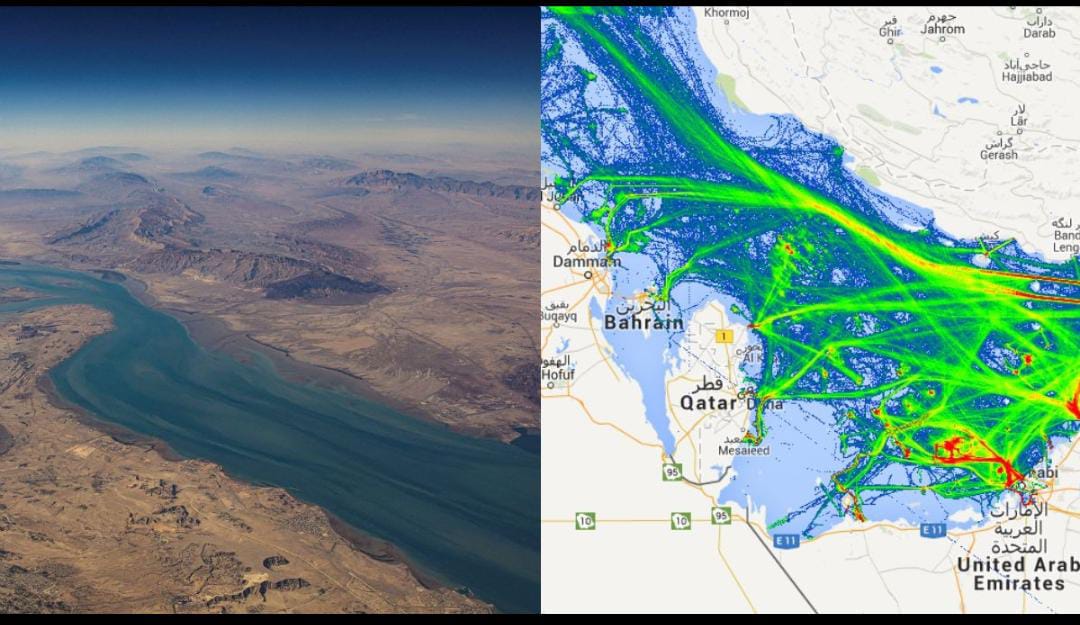
5. The Strait of Hormuz Has Become a Global Flashpoint
One of the most dangerous aspects of the conflict is its impact on global energy supply.
The Strait of Hormuz, located between Iran and the Gulf states, is responsible for transporting roughly 20% of the world’s oil supply.
Because of the war:
- shipping routes have been disrupted
- oil tankers face security risks
- insurance costs for cargo ships have increased
Even a temporary blockade of this route could trigger global fuel shortages and economic shocks.
6. The Iran-US War of 2026 Is Already Costing Billions
Modern wars are extremely expensive — and this conflict is proving no different.
Within just 100 hours of the military campaign, the United States had already spent around $3.7 billion on operations.
These costs include:
- aircraft deployments
- missile launches
- naval operations
- intelligence and logistics
If the conflict continues for months, analysts believe the total cost could reach tens of billions of dollars.
7. Cyber Warfare Is Quietly Happening Behind the Scenes
While missiles and bombs dominate the headlines, another battle is unfolding online.
In Iran-US War 2026, security agencies warn that Iranian-linked cyber groups may launch attacks targeting U.S. systems and infrastructure.
These cyber operations could include:
- hacking government websites
- disrupting financial systems
- cyber espionage
In modern conflicts, cyber warfare has become a silent but powerful weapon.
8. The Conflict Could Trigger a Wider Regional War due to Iran-US War of 2026
One of the biggest fears among analysts is that the conflict of Iran-US War 2026 could spread across the Middle East.
Iran maintains relationships with several regional groups and allies, including militias and political movements in neighboring countries.
If these groups become directly involved, the conflict could spread to:
- Lebanon
- Iraq
- Syria
- Gulf states
Such a development could transform the current war into a much larger regional crisis.
9. Global Travel and Trade Are Already Being Disrupted in Iran-US War 2026
Even countries far from the Middle East are feeling the effects of the war.
Airlines have begun rerouting or canceling flights across parts of the Middle East due to security risks.
Shipping companies are also avoiding certain routes near conflict zones, which is slowing global trade.
This demonstrates how modern conflicts can impact the entire global economy within days.
10. Diplomacy Is Becoming More Difficult
Before the war began, negotiations over Iran’s nuclear program were already fragile.
The conflict has now made diplomatic talks significantly more complicated.
The original tensions were tied to concerns about Iran’s nuclear program, missile capabilities, and regional influence.
With active fighting underway and leadership changes inside Iran, reaching a peaceful settlement may become even harder.
Conclusion: A Conflict With Global Consequences
The Iran-US War of 2026 is far more than a regional conflict.
It is already influencing:
- global energy markets
- international diplomacy
- military alliances
- humanitarian conditions
The 10 shocking facts about the Iran-US War of 2026 above reveal a deeper story behind the headlines — one that shows how interconnected the modern world has become.
What happens next will depend on military developments, diplomatic efforts, and international pressure to prevent further escalation.
For now, the world is watching closely as one of the most dangerous geopolitical conflicts of the decade continues to unfold.